06.10.2026
What Consumers Look for in Rustic Breads
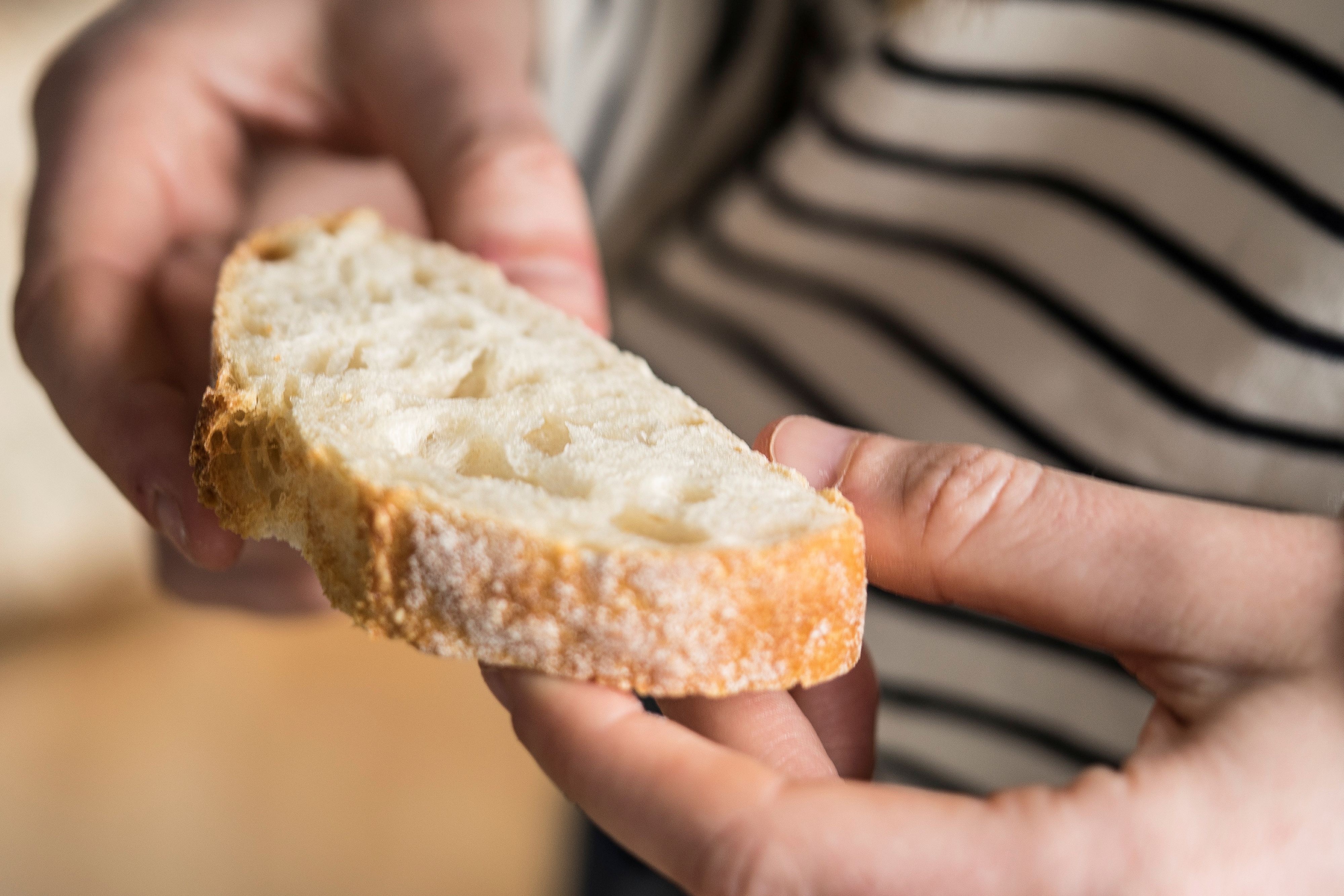
There is no regulatory definition of “rustic bread”: it is a commercial category, not a legal one. Technically, it is associated with breads made with high hydration, long fermentation and intense baking, resulting in an irregular, open-crumb structure, a thick, crisp, browned crust and a more pronounced flavour than ordinary bread.
The three variables that determine this result are dough hydration, fermentation time and the baking profile. Everything else —scoring, surface flouring and shape— is finishing: it contributes to appearance, not structure.
The Attributes Consumers Value
Quality ranks among the main decision factors for European bread consumers, ahead of price. In addition, attributes associated with traditional or artisan production play a significant role in purchasing decisions.
At the point of purchase, consumers looking for rustic bread are essentially seeking four things:
A textured crust. This is the most frequently cited attribute and the easiest to ruin at the final stage of the supply chain: a well-made loaf loses its crust if it is underbaked or stored in a closed bag while still hot.
An open, irregular crumb. This is associated with slow fermentation and manual work, although it can also be achieved by increasing hydration.
Flavour and aroma. This is the real difference long fermentation makes, and what encourages consumers to buy again.
Keeping quality. A well-made rustic loaf keeps better throughout the day than ordinary bread, which is especially valued for weekly shopping and shared meals.
The Trap of Visual Cues
It is worth being honest about one thing: the cues consumers use to judge rustic bread are easy to imitate. A dark crust can be achieved by raising the oven temperature, not necessarily through long fermentation. An open crumb can be achieved by increasing hydration, with or without sourdough. Surface flouring is purely decorative.
This has two practical consequences. First, appearance alone is not enough to differentiate the product: repeat purchases depend on flavour and eating texture, not the photograph. Second, a serious supplier should be able to substantiate the process —fermentation times, sourdough percentage and hydration— rather than simply show the loaf.
“Artisan” Is a Regulated Term
This is one of the issues that causes the most confusion in the sector. Royal Decree 308/2019, the quality standard for bread in Spain, reserves the expression “artisan-made” for products in which human input takes precedence over mechanical processes, with bulk fermentation, non-serial production, manual shaping of the loaves and supervision by a master baker or artisan. The regulation permits that specific expression, not the unrestricted use of the adjective on its own.
In other words, bread made industrially, however good it may be, cannot be marketed as artisan-made. There are other legitimate and equally compelling ways to describe this type of product: slow fermentation, high hydration, sourdough, hearth baking and a short ingredient list. These are specific, verifiable attributes that can be defended during an inspection or with a professional customer.
What Can Be Said About Sourdough
The same Royal Decree 308/2019 sets precise conditions for the claim “made with sourdough”: at least 5% sourdough by total flour weight, no additives, specified pH and acidity values in both the sourdough and the final product, and a maximum of 0.2% baker’s yeast by total flour weight, added only at the final stage.
This is a demanding regulation compared with other European markets, and that is precisely what makes it an opportunity: when a product complies, the claim is supported by documentation rather than depending on interpretation.
How This Translates to the Shelf and the Menu
In a supermarket, rustic bread acts as a premium tier within the bread section: it justifies a higher price than ordinary bread and adds variety without requiring a major expansion of the range. It should be clearly differentiated from the rest of the shelf —through placement, signage and format— and baked in batches throughout the day, because this type of bread loses the most quality when served cold or softened.
In food service, it suits sharing tables, toast toppings, sharing boards and menus featuring seasonal products, where bread is part of the offering rather than a mere accompaniment.
What to Ask the Supplier
Four questions help distinguish genuine rustic bread from bread that merely looks rustic: how long does the dough ferment, and under what conditions? What percentage of sourdough does it contain, and does it meet the thresholds in Royal Decree 308/2019? What is the dough’s hydration level? Which additives are listed in the technical data sheet? The answers to all four questions should be provided in writing in the product documentation.
Frequently Asked Questions
Can frozen par-baked bread genuinely be rustic?
Yes. Rustic character is determined by hydration, fermentation and baking, not by when the loaf is frozen. Bread made with long fermentation and high hydration retains these characteristics after freezing if the process is properly controlled.
Can bread baked in-store be called artisan-made?
Not simply because it is baked there. Royal Decree 308/2019 links the expression “artisan-made” to the entire production process —human input, bulk fermentation and manual shaping— not to the final bake.
Does a dark crust mean better fermentation?
Not necessarily. Crust colour depends mainly on the baking profile and available sugars. It is a sign of finishing, not proof of long fermentation.
Why does rustic bread keep better into the following day?
The combination of high hydration and a thick crust slows moisture loss from the crumb. Long fermentation and the acidity contributed by sourdough also help delay staling.
What is the difference between rustic and wholemeal bread?
They are different categories: “rustic” refers to the process and finish, while “wholemeal” refers to the flour used. Spanish regulations reserve the term “wholemeal bread” for bread made exclusively with wholemeal flour and require the percentage to be stated when only some of the flour is wholemeal. A loaf can be both rustic and wholemeal, or belong to only one of the two categories.
About OKIN
OKIN, a brand of Artadi Alimentación, S.L., is a frozen par-baked bread manufacturer based in Zumaia (Gipuzkoa), specialising in Clean Label solutions —bread without additives or preservatives— for hospitality, food service and food distribution. As a family business with experience in professional baking, it develops product ranges for different service needs: Efi, Rústikos, Premiere, Zereal+, Gourmet, Koskor, Gastro, Eko, Akua, Integral and Frizzante.
If you would like to assess long-fermentation, high-hydration breads for your business, explore the available ranges under “Choose Your Bread” or contact the team.